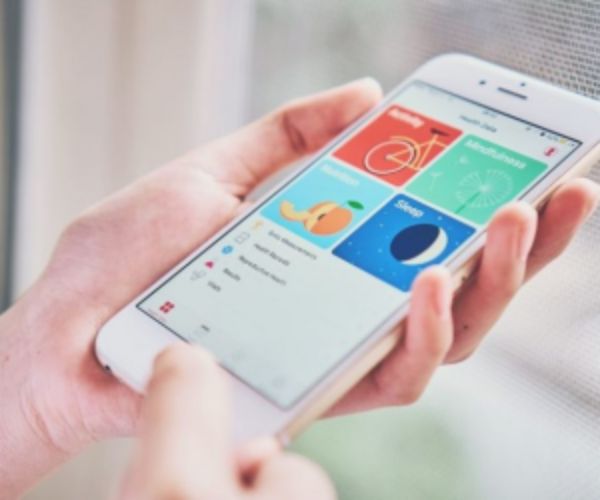
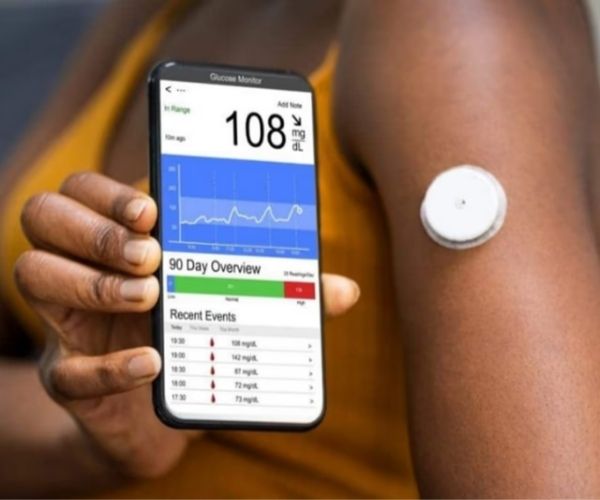
With your phone in hand, calculating calories has become more practical, faster, and even fun.
Have you ever tried using a calorie calculator in the middle of a busy day and thought: “It doesn’t have to be this complicated”?
The good news is that your phone has become a powerful ally when it comes to mindful eating.
Today, with calorie-counting appsSo, you can understand what you eat without turning your routine into a laboratory.
The idea here is not perfection, it is food awarenessWith lightness, practicality, and even a touch of good humor.
If you want to use a calorie calculator without stress and rely on tools that adapt to real life, this article is for you.
Let’s talk about how these apps work. Which ones are worth it? And how to make the most of them in everyday life. No pressure, no guilt, just useful information that truly helps.

How calorie-counting apps work
Before choosing an app, it is worth understanding the logic behind these tools. Calorie-counting apps work like smart organizers for your diet, gathering data that used to be scattered everywhere.
In practice, they use:
- large food databases
- verified nutritional information
- automatic calculations based on portions
- simple entries created by the user
You log what you ate by typing, barcode scanning, speaking, or even taking a photo, and the app does the rest. Over time, it starts to show patterns, excesses, gaps, and habits that often go unnoticed.
More importantly, these apps are not only for weight loss. They help anyone who wants to eat better, gain muscle mass, maintain their weight, or simply understand what they are eating.
When used well, they become support tools, not pressure tools.
Top apps that include a calorie calculator for meals
Now let’s get to what really matters: the apps that truly work and make life easier for anyone who wants to use a calorie calculator on their phone.
Each one has a different personality, which is great, because not everyone works the same way.
MyFitnessPal App
MyFitnessPal is the “does-it-all” app. It appeals to people who like numbers, charts, and having everything centralized in one place.
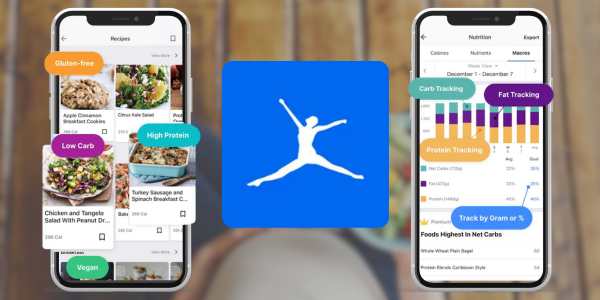
Highlights include:
- a database with millions of foods, including restaurant items
- macro tracking (carbohydrates, proteins, and fats)
- exercise tracking integration
- customizable dashboard to monitor progress
The free version already offers a lot and works well for everyday use. It allows you to track meals, log exercise, and get a solid sense of daily intake without any hassle.
The Premium version works as an add-on for those who want to go further, offering extra features, fewer ads, and more customization optionsThe app offers several plans, including:
- monthly plan for USD 19.99
- annual plan for USD 79.99
This way, each person can choose the plan that best fits their budget and desired level of tracking.
Lifesum App
Lifesum has a different vibe: less spreadsheet, more focus on the bigger picture. It connects well with people who want balanced eating without obsessively clinging to numbers.

What makes Lifesum special:
- Logging by photo, voice, text, or barcode
- Food quality assessment, not just calories
- varied meal plans (keto, paleo, fasting, high-protein)
- The Life Score analyzes your overall routine
Here, calculating calories is part of the process, but not the center of everything. The app encourages small improvementshydration, fruit intake, and more mindful choices.
The free version is functional, but the full experience really shines in the Premium versionThe plans include annual (USD 119.99 or USD 99.99), 6 months (USD 69.99), and 3 months (USD 29.99).
MyNetDiary App
MyNetDiary is the kind of app that wins over people who want simplicity without sacrificing quality. It is especially appealing for those who have already tried many apps and got tired of confusing interfaces.
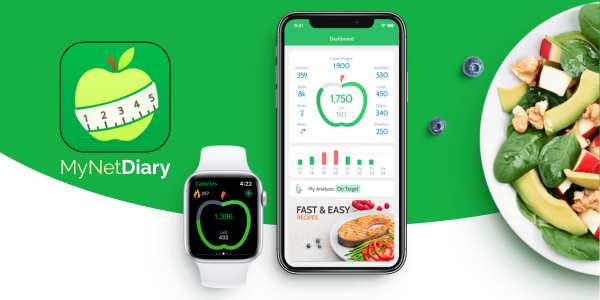
Key strengths include:
- free barcode scanner
- fast AI logging
- verified database with many nutrients
- Privacy, with no mandatory account creation
Using MyNetDiary is a light experience. You log, track, and move on, with no excessive notifications or pressure.
The free version is quite complete. For those who want more features, there is a Premium version with plans starting at USD 8.99, including advanced reports, meal planning, and more in-depth analysis.
Free or paid apps: which one is worth it?
This is a classic questionThe honest answer is: it depends on your goal and your profile.
Free apps work very well for:
- beginners who are just starting to organize their diet
- those who want to test the habit of logging meals without commitment
- people seeking basic control, just to better understand daily intake
Paid versions are usually worth it for those who:
- enjoy deeper analysis
- want personalized plans
- prefer fewer ads and more comfort
It is also worth noting that many apps offer free trialsTaking advantage of this period is the best way to decide without commitment.
And yes, it is important to mention that some features may involve in-app purchases, nothing hidden, but it is always good to know in advance.
Benefits of using apps for healthier eating
Using apps to calculate calories goes far beyond counting numbers. The benefits mainly show up in a change in perception.
Some of the main advantages include:
- greater food awareness
- a healthier relationship with food
- identifying excesses without guilt
- better routine organization
Many people discover, for example, that they consume too little protein, drink too little water, or overdo it at certain times of the day. These insights help adjust habits without radical changes.
Another positive point is autonomyYou start making more informed choices, without relying on guesswork.

Tips to make the most of app features
For apps to be truly useful, a few habits make all the difference. Here are some practical tips:
- Log meals honestly, without paranoia.
- Use the app as a support tool, not as an instrument of judgment.
- Analyze weekly patterns, not just daily numbers.
- Take advantage of reminders and reports.
- Adjust your goals to your reality.
Remember: Calculating calories is a means, not an end. The main goal is to better understand your diet and make choices that align with what you want for your health.
Using your phone to calculate calories has become easier and more accessible. With the right apps, eating stops being a mystery and becomes a clearer conversation with yourself.
Explore, test, compare, and choose the app that best fits your style.
Keep exploring other content on the site to discover more ways to take care of your health with lightness, information, and zero guilt, because eating well can also be simple.