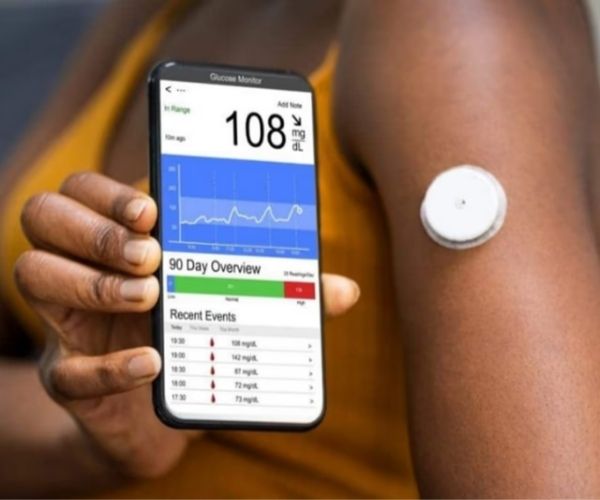
High blood pressure is a common condition that affects many people throughout their lives.
Fortunately, regular physical exercise can be one of the most effective ways to help control and improve this condition.
In this article, we will explore the benefits of exercise,highlighting the best types of activities, how to establish a safe routine, and even how apps can be useful for tracking progress.
Keep reading and check out simple and super important tips to apply to your routine!
1. App suggestions to complement your routine
Technology can be a great ally for those looking to improve their health and monitor progress.
There are several apps available that can help integrate the benefits of physical exercise into your daily routine. Here are two great options:
Strava App

Strava is a popular app among athletes, especially runners and cyclists, but it is also useful for any type of physical activity..
Features:
- Activity tracking: The app records runs, walks, bike rides, and other exercises. It uses GPS to map routes and measure distances.
- Challenges and Goals: Strava offers monthly challenges and the option to set personal goals, which can be great motivation to maintain a consistent exercise routine.
- Social sharing: You can follow your friends and see their activities, making exercise more social and motivating.
- Performance analysis: The app provides detailed data about each activity, including pace, time, elevation, and calories burned, allowing you to track your progress.
Strava is an excellent option for those looking for a complete tracking experience, making exercise more fun and motivating.
MyFitnessPal App

MyFitnessPal focuses mainly on nutrition and calorie tracking, but it can also complement your exercise routine, especially for those seeking a more holistic approach to health.
App features:
- Calorie counting: The app allows you to log meals and monitor calorie intake, helping you maintain a balanced diet.
- Integration with other apps: MyFitnessPal easily connects with other health and fitness apps, such as Strava, for more complete tracking.
- Exercise logging: Although its main focus is nutrition, MyFitnessPal also allows you to log physical activities and calculate calories burned during exercise.
- Nutrition tips: The app offers balanced meal suggestions, which can complement your workouts and help control blood pressure.
With MyFitnessPal, you can monitor both your diet and your exercise, creating a more integrated healthy lifestyle.
The platform is available for download on Android and IOS devices.
2. Ideal exercises for people with hypertension: what to do
It is important to choose exercises that do not overload the cardiovascular system.
Low-impact activities are highly recommended, as they help improve heart health without putting excessive strain on it.
- WalkingOne of the simplest and most accessible options. Walking for at least 30 minutes a day can help improve blood circulation and reduce blood pressure.
- SwimmingSwimming is ideal because it works the whole body and has low impact. The resistance of the water helps strengthen the heart and improve circulation.
- Yoga and PilatesThese practices can improve flexibility, reduce stress, and promote relaxation, which helps control blood pressure. They are also great for those seeking a balance between physical and mental well-being.
- Light cyclingCycling at a moderate intensity, whether outdoors or on a stationary bike, is also an excellent exercise for people with high blood pressure.
Before starting any physical activity, consult a professional to receive personalized guidance.

Stationary bike (Source: Google)
3. Frequency and Duration: How to Establish a Safe Exercise Routine
Establishing a safe and effective exercise routine, especially for those who need to deal with high blood pressure, is crucial.
Frequency and duration are essential elements for achieving the benefits of exercise without overdoing it.
- Frequency: To obtain positive results, it is recommended to exercise 3 to 5 times a week. This practice provides consistency without overloading the body.
- Duration: Ideally, each exercise session should last between 30 and 60 minutes. Shorter, more intense workouts can also be effective, but it is important to respect your body’s limits.
- Gradual progression: Start with shorter sessions and gradually increase the duration and intensity as your endurance improves. Do not rush. This way, you avoid putting pressure on your health. Remember that the process is gradual too!
By following these tips, you will be able to experience the benefits of exercise safely and effectively, resulting not only in stress control but also in overall well-being.
4. Practical tips to turn exercise into a habit
Turning physical exercise into a daily habit can be challenging, but it is essential to reap the benefits of physical activity.
Here are some practical tips to help you in this process:
- Start slowly: If you are just starting out, begin with lighter activities and gradually increase the intensity. This helps avoid frustration and injuries.
- Establish a routine: Choose specific times to exercise, making it easier to include this activity in your daily routine. This helps create a consistent habit.
- Find enjoyable activities: Choose exercises you enjoy so they become more fun and less of an obligation. This makes it easier to stay motivated.
With persistence and patience, physical exercise will become a natural part of your life, contributing to your health and overall well-being.
5. How exercise helps lower blood pressure
Regular physical exercise offers several benefits for hypertension, especially when done consistently.
Here’s how it helps:
- Strengthens the Heart:Physical exercise helps the heart function better, making it work with less effort, which can help control blood pressure.
- Improves Blood Circulation: Regular physical exercise makes the body more flexible, facilitating circulation and helping control blood pressure.
- Reduces stress: Exercises such as yoga and walking also help reduce stress levels, which can be a significant factor in controlling blood pressure.
With regular physical activity, it is possible to keep blood pressure under control naturally and effectively, improving overall health.
Conclusion
By following these tips and incorporating regular exercise into your routine, you can make the most of the benefits of physical activity for your health, especially in controlling high blood pressure.
With consistency and the right approach, the benefits of exercise can be felt quickly. Always listen to your body and adjust your routine as needed to ensure long-term success.
In addition, apps like Strava and MyFitnessPal can help maintain focus and motivation.
Always consult a healthcare professional before starting any new exercise routine to ensure you are on the right path to a healthier life.