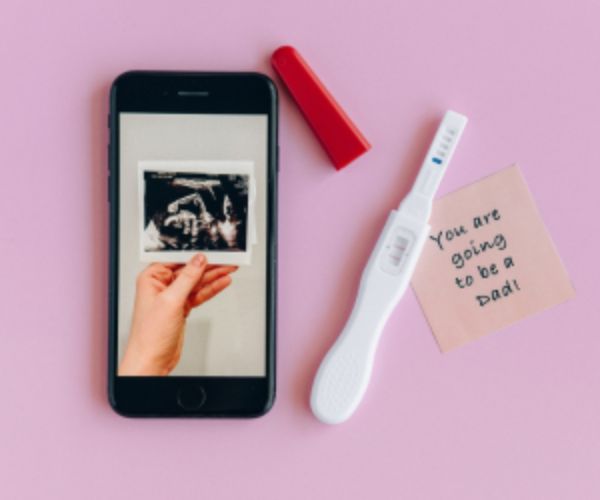
Pregnancy apps can make it easier to track your pregnancy.
Many people look for pregnancy apps when they want a more practical way to follow their pregnancy.
However, most of these apps do not perform a pregnancy test or confirm a pregnancy on their own.
Instead, they can organize personal information, offer educational content, estimate cycle dates, and help track changes over time.
Some are mainly focused on menstrual and fertility tracking, while others are designed for people who are already pregnant.
Understanding this difference is important, because digital estimates should not be confused with a medical test or diagnosis.
That’s why we present five popular options and explain what each app really offers.
The goal is to help you understand how pregnancy apps work and choose an option that fits your needs.
Flo App
The Flo brings together features for menstrual cycle tracking, fertility information, and support during pregnancy.
Its pregnancy mode offers weekly information about fetal development, body changes, task lists, and common questions.
The platform also lets you track symptoms and consult cycle-related information.
For those researching these apps, this broad approach can be interesting because the app offers features for different stages.
Flo may be a good option for those looking for:
- Menstrual and symptom tracking
- Fertility-related information
- Weekly pregnancy content
- Lists and features to track pregnancy
The main difference is that Flo offers tracking and information features, not a medical pregnancy test.
Clue App
The Clue is a menstrual cycle tracking platform that also includes pregnancy-related features.
Its different modes include period tracking, conception, and pregnancy, allowing the experience to be adapted according to the person’s goals.
For those looking into this type of app, Clue can be useful for:
- Tracking pregnancy progress
- Checking weekly development information
- Recording pregnancy-related experiences
- Accessing educational content
Like other options, Clue should be considered a tool for tracking and information, not a substitute for a pregnancy test.
Pregnancy+ App
The Pregnancy+ is mainly aimed at pregnancy tracking.
The app can be understood as an information and tracking resource for people who want to observe the different stages and milestones of pregnancy.
The app may be interesting for those looking for:
- Information about the stages of pregnancy
- Content about baby development
- Tracking pregnancy milestones
- Educational resources
- Organizing your routine during pregnancy
Its main goal is to help track and understand the pregnancy journey.
My Pregnancy App
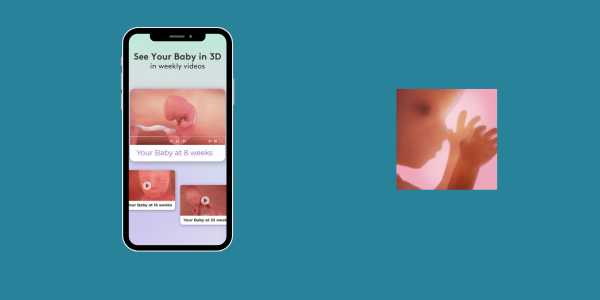
The My Pregnancy App, also known as MyPreg, was developed to organize pregnancy-related information in one place.
Its features include tracking the week of pregnancy, gestational age, information about the estimated due date, weekly development, personal records, appointments, documents, and reminders.
This approach can be useful for those who want to keep pregnancy information and important dates organized without needing to use several different tools.
The app can help with:
- Tracking the current week of pregnancy
- Checking the estimated due date
- Viewing information about weekly development
- Recording personal information
- Organizing appointments and documents
The app also states that its general content and organizational features do not replace guidance from a qualified healthcare professional
BabyCenter App
The BabyCenter is another well-known option for accessing pregnancy-related information.
Its purpose is centered on education, development, guidance, and content that helps track different stages of pregnancy.
For those comparing pregnancy apps, BabyCenter can be interesting when the main goal is to learn.
Its content can help you understand common pregnancy milestones and prepare for the next stages.
Among the features and content that can be found are:
- Information about pregnancy development
- Weekly content
- Baby development milestones
- Pregnancy education
- Planning and preparation
Like the other apps presented, BabyCenter should not be presented as a tool capable of confirming a pregnancy.
How Pregnancy Apps Work
Pregnancy-related apps generally organize information provided by the user into calendars, timelines, reminders, or educational content.
Depending on the platform, it is possible to record menstrual dates, symptoms, fertility information, or pregnancy progress.
Some apps may also generate estimates based on the data entered.
For example, cycle tracking tools can estimate menstrual periods or fertile windows.
This information can be useful for organization, but should not be interpreted as confirmation of pregnancy.
When comparing these apps, it is important to understand the difference between tracking and testing.
A pregnancy test is designed to detect a biological marker associated with pregnancy, while an app generally uses user-provided information to generate records and estimates.
What to Look for in a Pregnancy App
The most suitable app depends on what you want to track.
Some people may be looking for information about their cycle and fertility, while others are already pregnant and need weekly content about the baby’s development.
Before choosing among these different apps, it’s worth considering:
- Tracking: calendars, symptoms, milestones, or other information you want to record.
- Educational content: articles and weekly information about pregnancy.
- Organization: reminders, appointments, notes, and records.
- Privacy: how the app collects and uses personal information.
- Ease of use: a simple interface can make tracking more practical.
Pregnancy Apps vs. Pregnancy Tests
This difference is essential when talking about pregnancy apps.
An app can estimate dates, organize symptoms, or offer educational content, but these functions do not determine whether a person is pregnant.
For example, a late period can have different causes, while certain symptoms can also appear for various reasons.
For this reason, the information recorded in an app should not be considered a diagnosis.
A pregnancy test works differently because it is specifically designed to detect a biological marker related to pregnancy.
Separating these two functions helps create more realistic expectations when using pregnancy-related technologies.
How to Choose the Ideal App
There is no single app that is the best option for everyone. The choice depends mainly on each user’s goal.
Those who want to track their menstrual cycle and fertility-related information may consider Flo or Clue, while those who are already following a pregnancy may prefer apps more focused on information and pregnancy organization.
Before downloading an app, consider:
- Which stage do you want to track?
- Do you need information about your cycle or pregnancy?
- Which features are available for free?
- Is the app easy to navigate?
- How is your personal data handled?
- Does the app’s purpose match your expectations?
These questions can make the search for pregnancy apps simpler and help you choose a suitable tool.