Taking care of your digital well-being starts with observing your habits when using your cell phone.
I picked up my phone to check a quick message… and when I realized it, twenty minutes had gone by.
That was when I started thinking about digital well-being.
At first, it seemed completely normal. After all, the phone is present in almost everythingWork, communication, entertainment, and even daily organization.
But over time I began to notice that constant use was also affecting my mental energy, my concentrationand even my mood throughout the day.
That was when I started paying more attention to how small changes could improve my relationship with technology and strengthen my digital balance.

How your cell phone can influence your mood throughout the day
For a long time, I didn’t notice how the phone influenced my mood.
The habit of checking the phone as soon as I woke up seemed like just part of the routine.
But little by little I began to realize that starting the day immersed in messages, news, and social media created a feeling of information overload.
Even before breakfast, my brain was already… receiving excessive stimuli.
That was when I started testing small changes. Nothing radical, just simple adjustments to improve my digital well-being.
Over time, I realized that these changes created a calmer and more balanced start to the day.
The impact of blue light on rest and the mind
Another situation that started to catch my attention happened at night. It was common to use my phone in bed before sleeping.
Videos, social media, or messages seemed like a simple way to relax. But after a while, I started noticing that sleep took longer to come.
This happens because screens emit blue light, a type of light that interferes with the body’s natural rhythm.
This light can reduce the production of melatonin, the hormone responsible for preparing the body for rest.
When the brain continues receiving visual stimuli and remains on alert, it stays in a state of readiness.
This makes it harder for the body to enter a deep rest mode.

Constant notifications and the feeling of always being on alert.
Something I began to notice more clearly was the impact of notifications.
Each sound alert or vibration seemed insignificant, but it interrupted the natural flow of thought.
Even when the notification wasn’t important, the brain reacted as if something urgent were happening.
This behavior creates what many experts call fragmented attention.
In other words, the mind starts several tasks but finds it difficult to stay focused on a single activity.
After noticing this pattern, I started doing a few simple tests.
Muting less important notifications was one of the first changes. I also started to check messages at specific times of the day.
Digital Anxiety: When the Mind Can’t Switch Off
Apps and social media are designed to encourage frequent use. Notifications, constant updates, and new content activate reward mechanisms in the brain.
This makes the habit of checking the phone become repetitive and automatic.
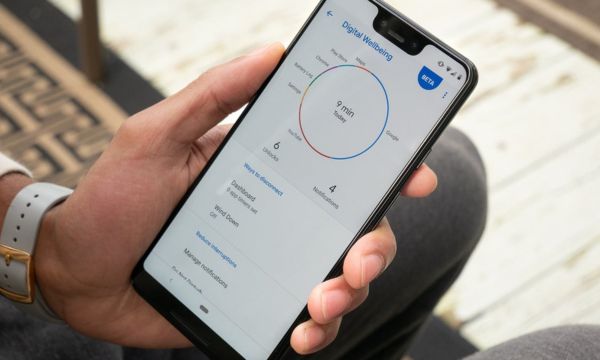
A simple way to notice this is by observing how many times the device is unlocked.
Many people are surprised when they discover how often they access their phones throughout the day.
This kind of observation helps increase awareness of your own screen time.
And awareness is always the first step toward improving digital well-being.
Small adjustments to use your phone more balancefully.
After noticing these patterns, I began making small adjustments to my routine.
It wasn’t necessary to eliminate the phone from my lifeThe idea was simply to use technology more intentionally..
Some simple strategies began to make a difference in my digital well-being. Among them:
- Set specific times for using social media, avoiding constant access throughout the day.
- Avoid using your phone during meals so you can enjoy the moment with greater presence.
- Keep your phone away during moments of concentration and work.
- Monitor screen time statistics to better understand your digital habits.
These small adjustments help create a more conscious relationship with your smartphone.
When use stops being automatic, the phone goes back to being just a tool.
And not something that controls your attention throughout the day.
Creating offline moments throughout the day
One of the most interesting changes was realizing the value of offline moments.
At first it felt strange. To spend a few minutes away from the phone.
But over time, these moments started to bring a feeling of a lighter mind. Creating small digital breaks helps the brain rest from excessive stimuli.
Some simple ideas can help:
- Take a walk for a few minutes without your phone, using the moment to breathe and observe the environment around you.
- Set aside time for reading or hobbies that help you relax and stimulate your mind in a different way.
- Talk to someone without digital distractions, valuing the connection and attention in the conversation.
These moments create space for greater presence and attention to what really matters.
Over time, these breaks become a natural part of the routine.
Building digital well-being that works for you.
One of the most important things I learned during this process is that there is no single formula for digital well-being.
Each person has a different routine and different needs.
For some people, the phone is an essential work tool. For others, it works more as entertainment or communication.
That is why the goal is not about eliminating technology..
The goal is to develop a conscious use of technologySome questions can help with this reflection:
- Is my phone helping or getting in the way of my routine?
- Which apps really add value to my day?
- Which digital habits can be adjusted?
Answering these questions helps build a more balanced relationship with the digital world.
And that makes the use of technology much healthier.
Conclusion: Technology with more awareness and balance
Over time, I realized that the problem was never technology The real challenge is learning to use it more consciously.
When small changes are made in everyday life, digital well-being begins to emerge naturally.
More concentration, more calm, and a healthier relationship with your cell phone.
Technology remains part of the routine, but now with more intention and balance.
If you’ve made it this far, maybe this is a good time to look at your own digital habits.
Because sometimes small changes are already enough to transform your relationship with technology and create a lighter, more balanced routine.