During pregnancy, a woman’s body goes through changes that include several symptoms.
These changes are the first signs of pregnancy. Symptoms can appear in the first few weeks and may be confused with other conditions, making early detection challenging.
Check out some of the symptoms:
Missed period
This is definitely one of the first and most obvious symptoms of pregnancy.
During pregnancy, a woman stops menstruating for 40 weeks to allow the fetus to develop properly in the uterus.
This happens due to the increased production of the beta hCG hormone, the famous pregnancy hormone, which prevents the ovaries from releasing mature eggs.
Abdominal bloating
This symptom may appear between the first seven days and two weeks.
This is due to increased blood flow and adaptation to the growing uterus. In some cases, this may be confused with mild to moderate menstrual cramps.
Easy fatigue
Fatigue is one of the most common symptoms during pregnancy and may last up to 9 months. It begins to appear around the 2nd week. Therefore, it is normal for this feeling to increase during the first 12 weeks, while the body adapts its metabolism to provide all the energy needed for the baby’s proper development.
Sensitive breasts
As early as the first two weeks, the pregnant woman may feel that her breasts tend to become more sensitive. This happens due to the action of hormones that stimulate the mammary glands, which are already beginning to prepare for breastfeeding. And gradually there is also a increase in breast volume.
Morning sickness and/or vomiting
These are other very common symptoms, usually at the beginning of pregnancy, especially in the morning. Some women may suffer from these symptoms until the end of pregnancy.
Contrary to what many people believe, nausea is not always accompanied by vomiting. It is more common for nausea to appear and then disappear without the woman feeling the need to vomit, especially in the morning.
Cravings for foods or strange things
This is certainly typical of each pregnancy and gestation and may begin early in the first month, then continue throughout the entire gestation period.
Many pregnant women feel like eating unusual foods, trying foods they have never tried before, and even very peculiar things, such as wanting to eat dirt.
How to confirm pregnancy?
If you are experiencing some or several of the symptoms mentioned, it is important to confirm whether you are pregnant. There are several options available for this:
1. Pregnancy test app
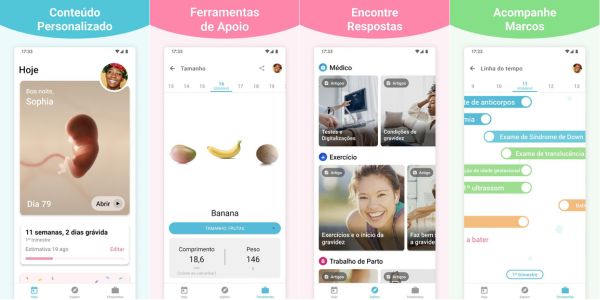
With advances in technology, free apps have emerged that can help assess the likelihood of pregnancy. These apps usually:
- Ask questions about your symptoms
- Analyze your menstrual cycle
Although they are not 100% accurate, these apps can provide an initial indication and help you decide whether to proceed with more reliable methods.
2. Pharmacy test
Over-the-counter pregnancy tests are widely available and easy to use. They detect the hCG hormone in urine. Important points:
- They are more accurate after the first day of a missed period
- Accuracy increases if the test is taken in the morning
- Read the instructions carefully to ensure accurate results
- If the result is positive, it is recommended to take a second test for confirmation
3. Blood test (Beta hCG)
The Beta hCG blood test is the most accurate method for detecting pregnancy. Features:
- It can detect pregnancy earlier than urine tests
- It provides quantitative results, indicating exact hCG levels
- Useful for monitoring early pregnancy progress
- It requires a visit to a laboratory or clinic
4. Medical consultation
Regardless of the results of the methods above, it is crucial to consult a doctor if you suspect you are pregnant. A gynecologist or obstetrician can:
- Confirm the pregnancy through a physical exam and additional tests
- Estimate the due date
- Provide important guidance on prenatal care
- Answer any questions or concerns you may have
- Begin appropriate prenatal monitoring
Remember, each method has its advantages and limitations. The ideal approach is to combine different methods to obtain a reliable confirmation.
If you receive a positive result on any of these tests, schedule an appointment with a healthcare professional as soon as possible to begin proper prenatal follow-up.