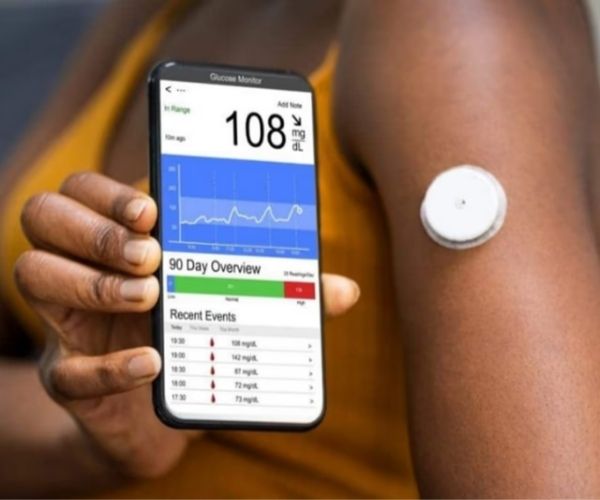
Millions of people suffer from the effects of high blood sugar levels.
But did you know that it is possible to prevent and control this condition with a few simple lifestyle changes?
When blood sugar levels are slightly elevated, but diabetes has not yet been diagnosed, this is called prediabetes.
At this stage, prevention is essential. A healthy diet rich in fiber and nutrients, combined with regular physical activity, can help control blood sugar levels and prevent future complications.

In this article, you will find practical tips to take care of your health and maintain healthy blood sugar levels.
Reduce the amount of carbohydrates in your meals.
For those who may not know, carbohydrates can be a real villain for people with insulin deficiency. Although they are our main source of energy, they can increase blood sugar levels.
Because it is such an important nutrient, it should not be completely eliminated from our daily diet. The most recommended approach is to make smart choices at mealtime.
Therefore, it is best to avoid refined grains, such as pasta, white rice, bread, and drinks and foods sweetened with added sugars (candies and desserts).
So, these foods can be replaced with vegetables, fruits, low-fat dairy products, and whole grains.
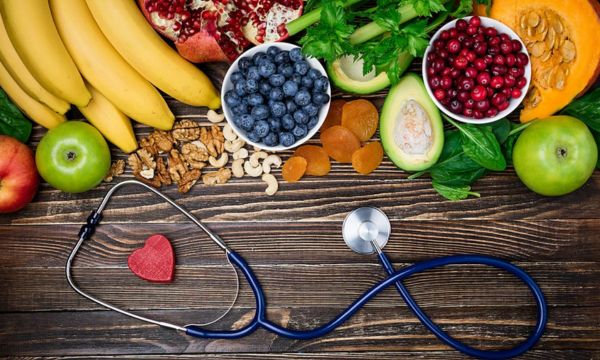
Fill half of your plate with non-starchy vegetables.
In general, all vegetables provide a variety of nutritional benefits, but those who want to lower blood glucose levels should choose non-starchy vegetables: leafy greens, peppers, asparagus, peas, green beans, cucumber, zucchini, broccoli, garlic, onion, leeks, cauliflower, etc.
Ideally, choose a different variety at each meal, and whenever possible, go organic., whether frozen, fresh, or canned.
Think about what you are going to drink before having any beverage.
Juices, sodas, sports drinks, coffees, teas, and many other beverages contain hundreds of calories and are high in sugar. Therefore, it is better to give preference to drinks that are not loaded with sweeteners or sugars
So, you can swap a soda at lunch for water or a diet iced tea. Or even after a workout, you can choose to drink water with lemon instead of a sports drink. Simple choices can make all the difference.
Try to reduce stress levels.
Studies have shown that stress can directly increase blood glucose levels. Therefore, to keep the body healthier, it is essential to reduce stress. To do this, you can follow some of the techniques below:
- Listen to soothing music;
- Get a good night’s sleep;
- Always hug your loved ones;
- Set aside time in your day to do some activity that makes you happy;
- If needed, talk to a friend, doctor, or counselor;
- If you do not have a favorite hobby, find one and dedicate time to it;
- Do some simple stretches or try a few yoga poses.
Control your daily calorie intake.
This can be one of the biggest challenges: controlling both the quality and quantity of what you eat. Excess calories worsen the action of insulin in the body and can even prevent blood glucose levels from decreasing.
That is why it is so important to learn how to count calories. Consult a nutritionist for guidance on your diet and then keep the habit of tracking everything you eat daily.
Maintaining an exercise routine is essential for controlling blood sugar.
A sedentary lifestyle is harmful for anyone who wants to lower blood sugar levels. Therefore, doctors recommend that a person engage in at least some activity for 30 minutes, 3 days a week.
The benefits of physical exercise for people with prediabetes are:
- Lowers blood pressure;
- Reduces total cholesterol and triglycerides;
- Helps the body become more sensitive to insulin;
- Increases endurance, strength, and flexibility;
- Helps with weight loss and maintaining weight loss;
- Increases the sense of well-being and energy.
Stay hydrated
Drinking enough water throughout the day is essential for those who want to reduce glucose naturally, and also for those who obviously do not need to.
When blood glucose is high, it can cause excessive urination. Therefore, drinking plenty of water helps prevent dehydration.
Sleep well and for an adequate amount of time.
Sleeping poorly, or even not sleeping enough, can throw hormones out of balance, including insulin production. In addition, lack of sleep can increase appetite and lead to greater fat accumulation around the waist.
In that case, the best thing to do is find a sleep routine that works for you. And if you think it is necessary, you can talk to your doctor if you have trouble sleeping and find a solution.
Include these foods in your diet.
- Avocados, nuts, seeds, flaxseed, olives, and olive oil. Reduce the risk of metabolic syndrome.
- Cherries, blueberries, and blackberriesHelp improve the body’s resistance to insulin.
- BeansThey are rich in fiber and provide as much protein as lean meat.
- Orange, lemon, grapefruit, and lime. Sources of vitamin C.
- Sweet potatoIt has a lower glycemic index and higher nutritional value.
- TomatoSource of iron, vitamin C, and vitamin E.