Find out how exercises for diabetics can turn your cold days into an opportunity to take care of your health!
Winter has arrived! And with it, the irresistible desire to wrap yourself in a blanket, have a hot drink, and forget the world outside.
But if you exercise regularly, you know that physical activity is an indispensable ally to keep your health up to date, even when the temperature drops.
With that in mind, we created this guide to help you incorporate these exercises into your routine safely and comfortably during the winter.
Here you will find valuable tips to face the colder days, choose the best exercises, monitor your blood glucose, and of course, stay motivated. Ready?
1. Recommended Exercises for Colder Days
When temperatures drop, it is not always easy to find the energy to leave the house.

The good news is that many exercises for diabetics can be done in the comfort of your home or adapted for winter. Here are some great options:
Walking or light jogging
Walking and light jogging are excellent exercises for diabetics, especially on cold days.
The benefits are:
- Improve the cardiovascular system.
- Promote blood circulation.
- Increase insulin sensitivity.
Tips for winter:
- Choose the warmest times of the day, such as late morning or early afternoon.
- Dress appropriately to protect yourself from the cold.
Yoga or Pilates
If you prefer calmer activities, yoga and Pilates are ideal options for winter.
These practices:
- Provide balance, flexibility, and muscular strength.
- Help control stress, which can influence glucose levels.
- Are perfect for colder days.
In addition, the focus on breathing and controlled movements makes these activities an excellent way to care for both body and mind while doing exercises for diabetics.
Functional training
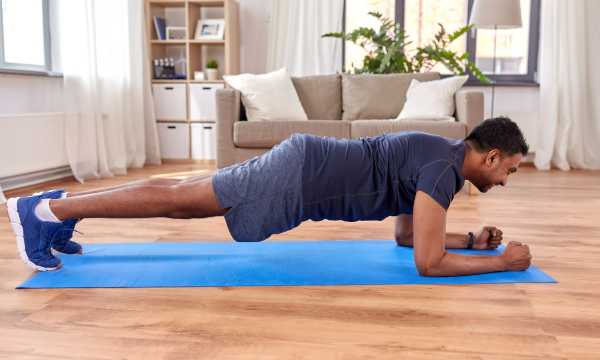
Functional training is a dynamic and versatile option that can be adapted to any environment, including your living room.
Examples of functional exercises:
- Squats.
- Push-ups.
- Plank exercises
The benefits of these activities, especially for diabetics, are:
- Help with weight control.
- Regulate glucose levels.
- Offer a practical way to stay active during winter.
Aerobic exercises at home
When leaving the house does not seem like an attractive option, aerobic exercises at home are the perfect solution.
Activities such as:
- Jumping rope.
- Watching dance class videos.
- Creating improvised choreographies to the sound of your favorite songs.
These types of exercises are ideal for:
- Turning exercise into something fun.
- Improving physical fitness.
- Helping keep glucose levels stable.
- Giving your day an extra boost of energy.
2. How to Warm Up Properly Before Exercising in the Winter
Did you know that in winter your muscles become stiffer because of the cold? That is why warming up is essential before starting any physical activity, especially when it comes to exercises for diabetics.
Spend 10 to 15 minutes warming up:
- Start with light, progressive movements, such as:
- Jumping jacks;
- Marching in place;
- Dynamic stretching;
The goal is to stimulate circulation, increase muscle flexibility, and prepare the body for physical effort. For people with diabetes, this is especially important because it helps stabilize glucose levels and ensures a safer workout.
Also take advantage of the warm-up to connect with the moment: take a deep breath, pay attention to your body, and get into the exercise mindset. It is like having a conversation with yourself and saying, “Hey, we are ready for this!”
3. Appropriate Clothing for Exercising in the Winter
Choosing the right clothing is not just a matter of style; in winter, it is about health and comfort.
For those who practice physical exercises for diabetics, proper clothing helps maintain body temperature and prevents problems such as colds or sudden drops in glucose levels.
So, invest in layered clothing:
- Start with a thermal base layer to retain heat.
- The second layer should be a light, insulating fabric.
- Finally, choose a windbreaker or jacket that protects against rain and colder temperatures.

Extremities, such as hands and feet, also deserve special attention: Wear thick socks and, if possible, gloves that allow movement.
Do not forget: after training, immediately change out of wet clothes into dry ones. This helps prevent heat loss and discomfort, such as the risk of catching a cold.
4. How to Monitor Glucose During Winter Workouts
Glucose control is always a central point in the routine of people with diabetes, and winter is no different.
Before starting any activity, it is essential to check your glucose levels. If your levels are too low, have a small snack rich in slow-absorbing carbohydrates to avoid sudden drops during training.
During exercise, especially in longer workouts, take short breaks to monitor your blood glucose.
Here, the mySugr app can be a great ally. It allows you to record your measurements, create reports, and even set alerts to monitor your levels easily and safely. We have a post about this app that can help you!
After training, take another reading to make sure everything is under control! Paying attention to these details makes all the difference in training safely and making the most of the benefits of physical activity.
5. Tips to Stay Focused and Keep Exercising on Cold Days
Staying motivated to exercise in winter can be quite challenging, but with a few simple strategies, you can overcome this and incorporate exercises for diabetics into your routine effectively:
- Create a fixed routine: Set specific times for exercise. Consistency helps turn exercise into a habit, making it easier to keep up exercises for diabetics, even on the laziest days.
- Prepare a cozy space: If you are exercising at home, choose a well-lit and organized space. A pleasant environment makes the moment more inviting and helps you maintain your exercise routine.
- Find a workout partner: A workout partner, whether in person or virtual, can give you an extra boost of motivation. Sharing goals and challenges with someone can make exercise more motivating.
- Reward yourself: Set small rewards after workouts, such as watching your favorite series or preparing a healthy snack. This creates a positive association with physical activity.
And most importantly, be kind to yourself. Not every day will be perfect, but every effort counts.
Remember: by doing exercises for diabetics, you are taking care of your body and your health. That is something to be proud of, even when the cold tries to discourage you.
Conclusion
Well, we all know that winter can be challenging, but with a little planning and the right tips, it becomes a great opportunity to invest in self-care.
By following this guide, you can adapt exercises for diabetics to your routine and face low temperatures with health and energy.
Remember: every movement is a step toward a more balanced life. How about taking the first step? The cold can wait!