GPS tracking for trucks is an essential tool for anyone looking to improve fleet management and safety.
This technology offers a range of benefits that go beyond simple navigation.
In this article, we’ll explore how GPS tracking can transform the way you manage your truck and how it can provide significant advantages for your operation.
This feature provides a detailed view of what is happening in real time. It not only helps optimize routes but also ensures the safety of cargo and drivers.
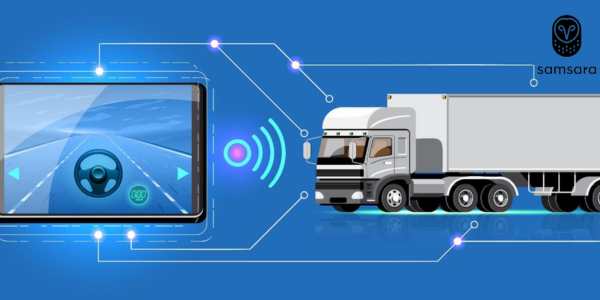
With advanced features, it is possible to monitor vehicle performance and make adjustments that can reduce costs and improve efficiency.
Discover how real-time monitoring, enhanced security, data analysis, and route optimization can transform your fleet management. And don’t miss our discussion about future technologies that promise to further increase efficiency and safety in road transportation.
Keep reading to understand how these innovations can benefit your operation
1. Real-Time Monitoring: How GPS Tracking Enhances Fleet Management
Real-time tracking is one of the greatest advantages of GPS tracking. It allows you to track the exact location of trucks at any time.
This means you can know where each vehicle is, whether it is following the planned route, and even how long it is taking to complete each stage of the journey.
This instant visibility makes fleet management more effective. If a truck is delayed or deviates from its route, you can quickly take action to correct the problem.
In addition, the ability to view vehicle status helps with better operational planning and more efficient resource allocation.
Another benefit is the ability to send instructions in real time to drivers. If there is a route change or an update in traffic conditions, you can communicate this information immediately, ensuring that drivers always have the best directions.
2. GPS Tracking and Security: Protecting Your Cargo and Drivers
Security is a constant concern for those operating a truck fleet. GPS tracking provides an extra layer of protection for both vehicles and cargo. In the event of an incident, for example, it allows you to locate the truck quickly and take measures to recover the vehicle.
In addition, the tracking system can monitor driving behavior, such as speeding or unauthorized stops.
This helps ensure that drivers are adhering to standards and maintaining safety during their trips. With this information, corrective measures can be implemented to improve driving.
Tracking also helps protect the cargo, as any unexpected route deviation can be detected immediately. If a truck deviates from the planned route, you will be alerted and can investigate the reason, minimizing the risk of loss or damage to the cargo.
3. Data Analysis from Tracking: How to Use Information to Improve Efficiency
The data collected through GPS tracking is not just about the location of trucks; it also provides valuable information about the performance of each vehicle. Analyzing this data can reveal patterns and areas for improvement that might not otherwise be visible.
For example, you can identify which routes are more efficient and which cause more delays. This allows for route adjustments to optimize travel time and reduce fuel consumption.
In addition, monitoring driver performance can help identify and correct behaviors that affect operational efficiency.
Continuous data analysis can also help predict and plan future needs. With this information, proactive adjustments can be made to operations, improving fleet management and reducing overall costs.
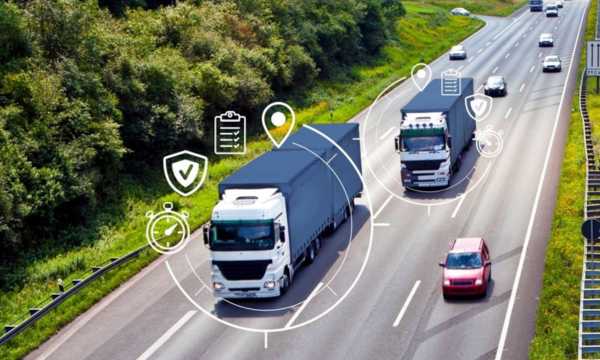
4. Route Management and Optimization with GPS Tracking: Advantages and Strategies
GPS tracking provides powerful tools for route management and optimization. With the ability to monitor in real time, you can identify the best routes and avoid areas with heavy traffic or road issues. This not only saves time, but also reduces fuel consumption.
Using tracking to optimize routes helps ensure that trucks reach their destinations more quickly and efficiently. The technology allows dynamic route adjustments based on current conditions, improving on-time delivery and customer satisfaction.
In addition, GPS tracking can help by analyzing historical routes to identify which paths were most efficient in the past. This provides a solid foundation for future route planning decisions and helps implement strategies that maximize efficiency.
5. Advanced Tracking Technologies: The Future of Truck Monitoring
The future of GPS tracking for trucks is full of innovation.
Emerging technologies, such as integrated sensors and artificial intelligence, promise to transform the way trucks are monitored and managed. These advances offer an even more detailed and accurate view of operations.
Advanced sensors can provide additional data, such as tire condition or real-time fuel consumption. Artificial intelligence, on the other hand, can analyze large volumes of data and offer recommendations to further increase efficiency and safety.
These technologies not only improve tracking, but also contribute to creating a more intelligent and automated fleet management system. The future promises a level of control and efficiency that could revolutionize the transportation sector.
Conclusion
GPS tracking for trucks is an indispensable tool for improving safety and efficiency on the road. With its real-time monitoring capabilities, cargo and driver protection, data analysis, and route optimization, it offers significant benefits for fleet management.
As technologies advance, GPS tracking will continue to evolve, bringing new opportunities to optimize operations and increase safety.
Investing in this platform not only helps solve current problems, but also prepares your fleet for the future of transportation technology.
In summary, the effective use of GPS tracking can transform the way you operate your fleet, offering more efficient and safer management for everyone involved.