High blood pressure during pregnancy is a significant concern, but it doesn’t have to be a reason to panic.
This article was created especially for expectant mothers who want to better understand this condition and learn how to manage it effectively.
We’ll talk about the symptoms and causes of high blood pressure, as well as share practical tips for maintaining the health of both mother and baby.
With the right information, it is possible to monitor and even prevent high blood pressure, ensuring a calm and safe pregnancy.
Keep reading to find out how to face this challenge and ensure well-being throughout your pregnancy.
Understanding high blood pressure during pregnancy
High blood pressure during pregnancy, or gestational hypertension, can appear unexpectedly, even in women who have never had blood pressure problems before.
Recognizing the signs is essential to ensure the health of both mother and baby. Symptoms include:
- Persistent headaches: Frequent migraines can be a warning sign.
- Blurred vision: Changes in vision, such as blurriness or flashes of light, should be monitored.
- Swelling in the hands and feet: Although some swelling is common during pregnancy, excessive swelling may indicate hypertension.
The causes of high blood pressure during pregnancy vary and may include:
- Genetics: A family history of hypertension may increase your risk.
- Lifestyle: A diet high in salt and lack of physical activity are risk factors.
- Stress: High levels of emotional or physical stress can contribute to increased blood pressure.
Understanding these symptoms and causes is the first step in seeking medical help. Early diagnosis and regular follow-up are essential to prevent complications such as preeclampsia.
Do not hesitate to discuss any concerns with your doctor, who may recommend regular tests to monitor your health and your baby’s health.
Maintaining open communication with healthcare professionals is essential for a safe and healthy pregnancy.
Safe treatments
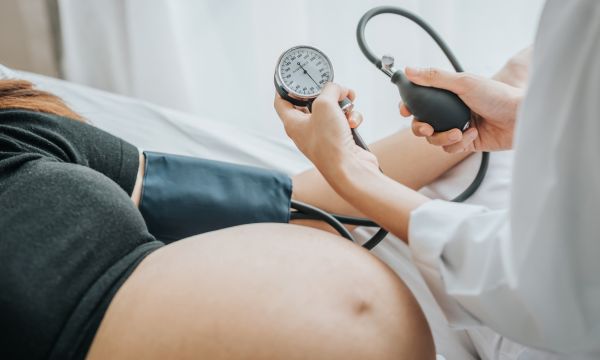
High blood pressure during pregnancy (Source: Google)
Monitoring high blood pressure during pregnancy is essential for the health of both mother and baby. Treatment may involve medications prescribed by the doctor, always considering the safety of the fetus.
In addition, regular blood pressure measurement is essential.
- Medication: Only under medical guidance, to ensure safety.
- Monitoring: Check your blood pressure regularly at home.
- Appointments: Keep in frequent contact with your doctor for treatment adjustments.
Every pregnancy is unique, and what works for one person may not be ideal for another. It is important to follow your doctor’s recommendations and not make any changes to the treatment on your own.
Open communication with healthcare professionals is essential for the effective management of high blood pressure during pregnancy.
Healthy lifestyle: tips to prevent high blood pressure during pregnancy
Preventing high blood pressure is possible with some lifestyle changes. Staying active and relaxed can make all the difference. Check out some practical tips:
- Light exercise: Moderate physical activities, such as daily walks, are excellent for keeping the body active and healthy. They help improve circulation and control weight, both important factors in preventing hypertension.
- Balanced diet: Adopting a diet rich in fruits, vegetables, and whole grains provides the essential nutrients the body needs to function well. Reducing salt intake and avoiding processed foods is also essential.
- Hydration: Drinking plenty of water throughout the day helps keep the body hydrated and may assist in regulating blood pressure. The recommendation is to consume at least 2 liters of water per day.
- Quality sleep: Ensuring good nights of sleep is essential for overall health. Adequate rest helps regulate stress levels and keep blood pressure stable.
Avoiding stress is also essential. Relaxation techniques such as meditation and yoga can be beneficial.
Maintaining a healthy lifestyle not only helps prevent high blood pressure but also improves overall well-being during pregnancy. Remember to consult your doctor before starting any new physical activity.
Essential care: what to do after diagnosis
If high blood pressure has already been diagnosed, following specific care measures is essential. Check out some guidelines:
- Medical follow-up: Do not miss appointments and follow your doctor’s instructions.
- Blood pressure diary: Keep a daily record of your blood pressure levels.
- Reduce salt intake: Avoid processed foods high in sodium.
- Adequate rest: Prioritize periods of rest throughout the day.
These precautions help prevent complications and ensure that the baby’s health is not compromised. It is important to maintain open communication with your doctor and report any new or concerning symptoms.
Small daily changes can significantly impact the control of high blood pressure during pregnancy.
Nutrition and well-being: nutrients that help control blood pressure
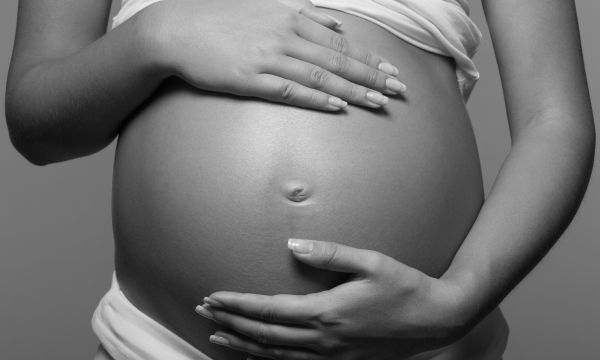
High blood pressure during pregnancy (Source: Google)
Nutrition plays a crucial role in controlling high blood pressure, especially during pregnancy.
Incorporating specific nutrients into your diet can not only help keep blood pressure under control but also promote the overall well-being of both mother and baby. Check out some essential nutrients and foods:
- Potassium: Found in foods such as bananas, potatoes, spinach, and avocado, potassium helps regulate blood pressure levels by promoting fluid balance in the body.
- Omega-3: Fatty acids found in fish such as salmon, sardines, and tuna, as well as flaxseed and chia, omega-3 is known for its anti-inflammatory properties, which may help reduce blood pressure.
- Magnesium: Essential for cardiovascular health, magnesium can be found in whole grains, nuts, seeds, and leafy green vegetables, helping to relax blood vessels and improve blood flow.
- Calcium: Important for bone and cardiovascular health, calcium is present in dairy products, tofu, and leafy green vegetables, contributing to blood pressure regulation.
- Fiber: Foods rich in fiber, such as oats, beans, lentils, and fruits, help maintain heart health and may assist in lowering blood pressure.
Maintaining a diet rich in fruits, vegetables, and lean proteins is essential. In addition, avoid processed foods and refined sugars.
A balanced diet not only helps control high blood pressure but also provides the energy and nutrients necessary for the baby’s healthy development. Consult a nutritionist for a personalized meal plan.
Final Thoughts
Dealing with high blood pressure during pregnancy can be challenging, but with the right information and care, a healthy pregnancy is possible.
Stay informed, follow medical guidance, and do not hesitate to seek support when necessary. Your health and your baby’s health are priorities.
With these tips, we hope you feel more prepared to face any challenges that high blood pressure may bring during pregnancy.