During pregnancy, certain conditions can cause complications, affecting the baby’s healthy development.
This may include interference with important growth and formation processes.
These conditions can also cause imbalances in the baby’s blood sugar levels, leading to delicate situations that require specialized medical care.
Among the various risks, the baby may have a higher-than-expected birth weight, which requires extra attention immediately after birth.
There is also the possibility that these complications may have long-term effects on the child’s health.

Given the importance of this topic, today’s article will discuss how these issues can affect pregnancy and what can be done to prevent them. Learn more!
Pregnancy and Diabetes: Prevention and Care
Many pregnant women wonder whether diabetes can harm the baby. To prevent this from happening, during the 9 months of pregnancy, the doctor provides complete monitoring.
As soon as a woman receives a positive pregnancy test result, she should immediately begin prenatal care.
Strict diabetes control: reducing risks for mother and baby.
Therefore, the doctor must strictly follow the recommendations for diabetes control, thereby reducing any complications for both the baby and the pregnant woman.
If you want to have children and are concerned about pregnancy and diabetes, the best thing to do is plan ahead.
This way, you can receive more comprehensive follow-up care, in which the doctor will order tests to avoid possible complications, especially for the fetus, since organ development begins in the first eight weeks.
For the pregnancy to progress well, everything will depend on the future mother’s health history, whether the condition has been properly controlled, as well as appropriate medical follow-up.
Precautions during the 40 weeks
All of these precautions will make a difference during the 40 weeks of pregnancy, because in this way the risks can be kept under control or even minimized. For example, a mother with type 1 diabetes who has a child with diabetes.
Pregnant women with type 1 diabetes, in most cases, develop this condition during adolescence, reaching high blood glucose levels, which causes serious problems for the body.
Thanks to medical follow-up from the beginning of pregnancy, blood sugar can be controlled, thus preventing congenital malformations and miscarriages.
Challenges of pregnancy with diabetes: risks and precautions
Pregnancy and diabetes can cause serious health complications for both the fetus and the mother if medical recommendations are not followed.
For this reason, specialists recommend that women with type 1 diabetes be closely monitored by a doctor. In this way, the baby can be prevented from developing type 2 diabetes in adulthood.
To avoid the risk of the baby developing certain complications due to the mother’s history, the child should also receive medical follow-up from birth. This allows for healthy development and reaching adulthood with a lower risk of developing this condition.
Proper information can prevent gestational diabetes.

For a woman to have a smooth pregnancy, it is necessary to be well informed about everything related to pregnancy and diabetes. It is important to clarify all doubts with the doctor and undergo the tests indicated by them.
During this period, it is essential to take the fasting blood glucose test frequently so that you can properly control the disease.
To undergo this type of test, the pregnant woman must fast for 8 to 12 hours without consuming any type of food, only water.
If the patient gains more weight than normal or abnormal fetal growth is detected for the gestational period, she must strictly monitor the glycemic curve.
With this, it is possible to identify whether gestational diabetes occurs, which is characterized by high blood sugar levels. When this happens during pregnancy, the placenta begins to release more hormones than normal, causing the pancreas to release more insulin.

In gestational diabetes, the body cannot properly process excess sugar because the pancreas does not perform its function correctly. During this period, the pregnant woman is at high risk of developing diabetes due to the growth of the placenta.
Regular doctor visits are essential, along with a balanced diet and some light physical activity. Depending on the case, after medical evaluation, the specialist may recommend the use of insulin.
During pregnancy, the pregnant woman should discontinue pharmacological treatment for diabetes control, as this may pose risks to fetal development.
In addition to following the doctor’s guidance, they will order a series of tests to be carried out: glycated hemoglobin, microalbuminuria test, eye exams every 3 months, monthly ultrasound, and blood pressure monitoring.
In addition to medical care, pregnant women should also receive some care at home. They should follow a balanced diet, engage in physical activity, and measure glucose levels daily, always following medical guidance.
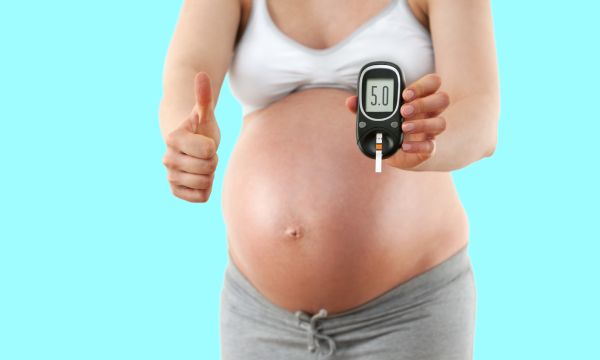
Therefore, it is important to emphasize that control is of vital importance. By following all medical guidance, the health of the mother and baby will be protected.
When the right time comes, the doctor will make an assessment to determine which delivery method will be most appropriate for each case. This is because, if the pregnant woman has diabetes, a cesarean section is almost always the most appropriate option.
Right after the baby is born, both the baby and the mother must continue medical follow-up so they can live a normal life and keep the disease under control.