A vehicle license plate can reveal important information that does not always come up during a negotiation.
An online search can reveal debts, restrictions, and other problems in just a few minutes.
What is a vehicle history report?
Many people evaluate only the appearance of a vehicle before making a purchase.
However, several issues may be hidden in the vehicle’s records.
A vehicle history report works like a collection of accumulated information gathered over the years.
Through a search, it is possible to find recorded information about traffic fines, debts, restrictionsand other important events.
This analysis provides greater security during negotiations and reduces the risks involved in buying a vehicle.
For anyone planning to invest in a used car, this step can be just as important as a physical inspection.
Information recorded over the years
Throughout the useful life of a vehicle, various data may be stored in official systems and specialized platforms.
This information helps build the vehicle’s history.
Among the most common records are:
- Traffic fine history
- Outstanding debts
- Registration and licensing records
- Administrative restrictions
- Auction history
- Documentation status
- Incident records
- Registration details
Depending on the platform used, the report may provide more or less detail.
The more complete the report, the greater the amount of information available for analysis.
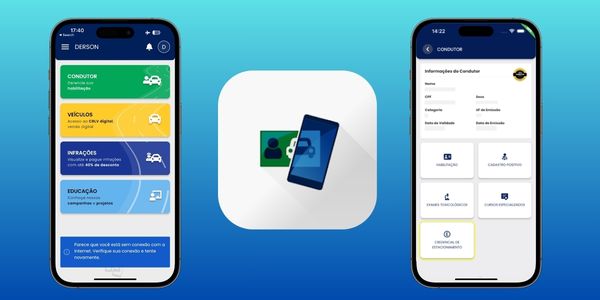
How to check a vehicle license plate online
One of the most practical ways to begin your search is through a car plate lookup.
Today, many systems allow users to check a vehicle plate using only this information.
The process is usually simple:
- Access a reliable platform
- Enter the vehicle license plate number
- Confirm the requested information.
- Wait for the search to be processed.
- Review the generated report.
In just a few minutes, you will be able to view important information about the vehicle.
What to check before buying a used vehicle
This is one of the most important steps in the entire buying process.
Many buyers evaluate only the mileage, appearance of the vehicleand the condition of the paint.
However, several hidden issues, outstanding debts, and even administrative restrictions may exist without showing any visible signs.
Before closing the deal, it is worth checking:
- Outstanding debts
- Traffic fine history
- Administrative restrictions
- Auction history
- Documentation status
- Possible blocks or restrictions
- Financial obligations
This information helps identify risks that are often not noticed during a simple visual inspection.
A few minutes of research can prevent significant financial losses in the future.
That is why checking a vehicle’s history should be part of every responsible purchasing decision.
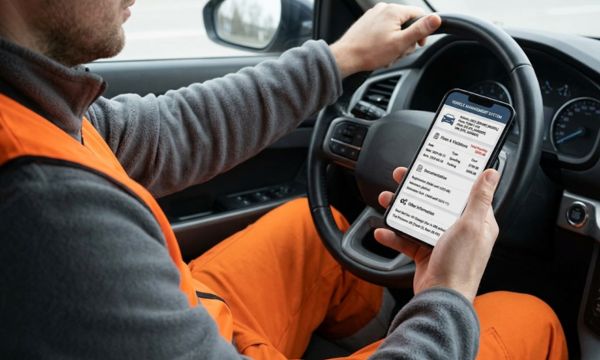
How to interpret the information found
Finding information is important, but knowing how to analyze the data is what really makes the difference.
Not all records indicate a serious problem, but some occurrences deserve closer attention.
It is worth carefully analyzing possible administrative restrictions, outstanding debts, and other alerts shown in the report.
The auction history, for example, may indicate that the vehicle went through specific situations in the past.
Likewise, the presence of outstanding debts can generate additional costs after the purchase.
It is also important to analyze any administrative restrictions and documentation problems.
The better you understand this information, the safer your buying decision will be.
Apps that make vehicle inspection easier
Today there are several apps that help users check vehicle information.
These tools offer greater convenience for those who want to perform searches directly from their smartphones.
Among the most commonly used options are:
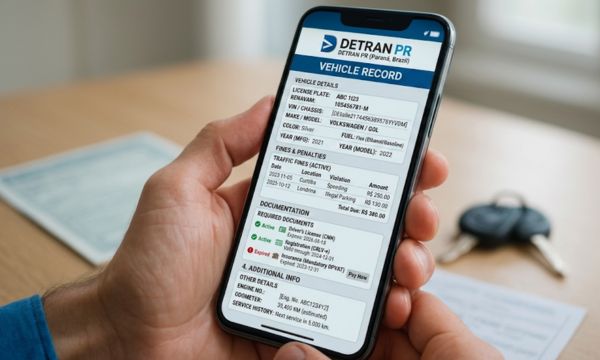
- Detran for checking
fines, vehicle taxes (IPVA), and licensing status through official state services. - Olho no Carro to access detailed vehicle plate information, including auction records and additional context information.
- CheckPlaca for reviewing outstanding debts, vehicle records, and certain police-related information.
- Sinesp Cidadão to check basic vehicle status and verify important information quickly.
These services allow users to access different types of information without leaving home.
In addition to convenience, they make it easier to carry out a quick search before an important negotiation.
Difference between free reports and complete reports
Not all searches offer the same level of detail.
For this reason, it is important to understand the difference between the two most common options.
| Search type | Available information |
|---|---|
| Free search | Basic vehicle information; Vehicle status; Some registration details. |
| Comprehensive report | Auction history, outstanding debts, restrictions, incident records, additional vehicle information. |
Free searches are usually useful for an initial review.
Comprehensive reports, on the other hand, generally offer a much broader view of the vehicle.
For higher-value transactions, many buyers consider this investment a way to increase
purchase security.
Common mistakes many buyers make
Some mistakes are still very common when buying used vehicles.
Unfortunately, many of them could be avoided with a simple search.
Among the most common mistakes are:
- Not checking the vehicle plate
- Ignoring possible debts
- Relying only on appearance
- Failing to verify the documentation
- Not reviewing restrictions
- Making impulse purchases
In many cases, the problems only become apparent after the ownership transfer.
When that happens, the solution is usually… more complicated and more expensive.
That is why spending a few minutes on a search can make a big difference.
When it is worth running another search
Many people believe that a single search is enough, but that is not always the case.
Depending on the time elapsed between negotiation and purchase, running a new search may be a good idea.
This helps verify whether new records or pending issues have appeared.
A new review is also recommended when:
- The negotiation takes several weeks.
- The vehicle goes through new administrative procedures.
- There are doubts about the documentation.
- New information appears during the negotiation.
This precaution provides an extra layer of protection for the buyer.
How to avoid surprises after the purchase
No one likes discovering problems after a deal has already been completed.
For this reason, prevention remains the best strategy.
Before buying a vehicle, try to gather as much information as possible.
Combine a vehicle plate analysis with a careful inspection and a thorough documentation review.
It is also worth confirming the existence of outstanding debts, administrative restrictionsand possible inconsistencies in the records.
The more comprehensive the analysis, the lower the risks involved.
At the end of the day, a few minutes devoted to research can represent significant savings in time, money, and stress.
For those seeking greater security during negotiations, checking a vehicle plate is a smart step before closing the deal.