Neonatal colic is a common discomfort that affects many newborns in their first months of life.
It usually occurs in the late afternoon or at night.
These colic episodes become challenging moments for parents, as they are often marked by intense and prolonged crying, as well as signs of abdominal discomfort, legs drawn up, and a rigid abdomen.
1. What causes this discomfort?
The exact causes of colic are still not fully understood.
However, experts believe this happens because the gastrointestinal system is still adapting to digesting breast milk or infant formula.
Another hypothesis is that it may be related to excess air swallowed during feeding and even the buildup of gas.

Understanding and identifying the discomfort is important to relieve the baby and reassure the parents.
In today’s post, we’ll share some tips to prevent and relieve your baby’s colic!
2. How can you relieve colic in a newborn?
Consulting a trusted pediatrician before starting any method is always the best practice, ensuring that all actions taken are safe and appropriate.
It is essential for parents to know effective methods to relieve baby colic at home. Here are some useful techniques:
massage
- Massaging the baby’s belly can help relieve colic. Gentle circular movements can provide immediate relief. Using oils specifically made for babies can make the massage easier. Always consult a pediatrician before starting any technique.
Position the baby correctly during breastfeeding.
- It is important for the mother to keep the baby in the correct position during breastfeeding. Ideally, the baby should be kept at a slightly inclined angle. In addition, it is recommended to avoid using pacifiers and bottles to help prevent colic.
Apply warm compresses
- Applying warm compresses to the baby’s belly is an effective technique to relieve colic. The warmth can help relax the abdominal muscles and reduce discomfort caused by gas and intestinal spasms.
How to do it?
- Dampen a clean cloth with hot water AND wring it out well to remove excess water. You can also use a hot water bottle, but make sure to wrap it in a cloth to prevent the heat from being too intense for your baby’s skin.
3. Positions to relieve baby colic
- Tummy-down position: Place the baby face down on your forearm, with the head supported in the palm of your hand. This can help relieve pressure on the abdomen.
- Kangaroo position: Use a sling or baby carrier to keep the baby close to your body. The upright position and gentle movement can provide comfort.
- Upright positionHold the baby in an upright position, with the head resting on your shoulder, while walking gently. This position can help release gas trapped in the stomach.
- Seated positionPlace the baby seated on your lap, with the back supported against your chest and the legs bent. Rock the baby gently back and forth.
- Bicycle positionLay the baby on their back and move their legs gently, as if pedaling a bicycle. This can help release gas and relieve abdominal discomfort.
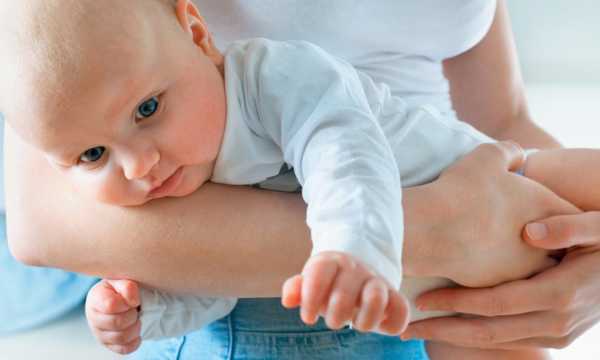
Baby being relieved from colic (Source: Google)
Conclusion
Relieving baby colic is a priority for many parents facing this challenge in the newborn’s first months of life.
Knowing and applying a few techniques can make a big difference in the baby’s comfort and the family’s peace of mind.
Gentle abdominal massages and the application of warm compresses are effective methods that can provide quick relief.
In addition, placing the baby face down on your forearm or keeping them in the kangaroo position can help reduce abdominal pressure and relieve symptoms.
Observing the baby and adjusting the approaches as needed is essential.
Consulting a trusted pediatrician before starting any method is always the best practice, ensuring that all actions taken are safe and appropriate.
With patience and the right care, this challenging phase can be overcome, providing comfort for the baby and peace of mind for the parents.