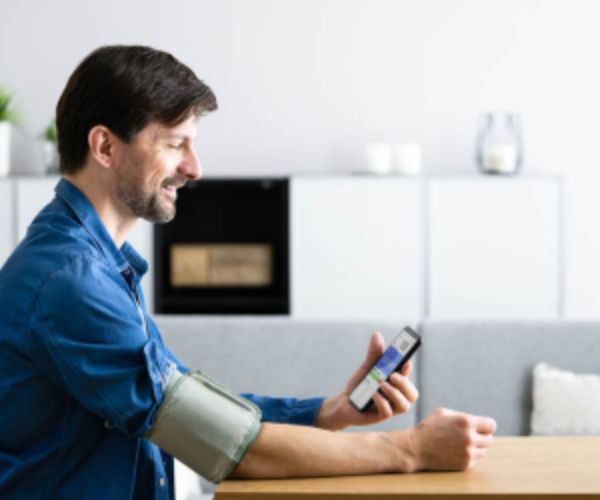
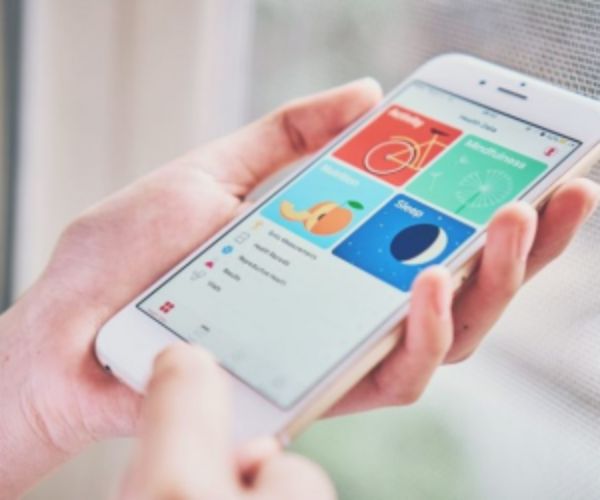
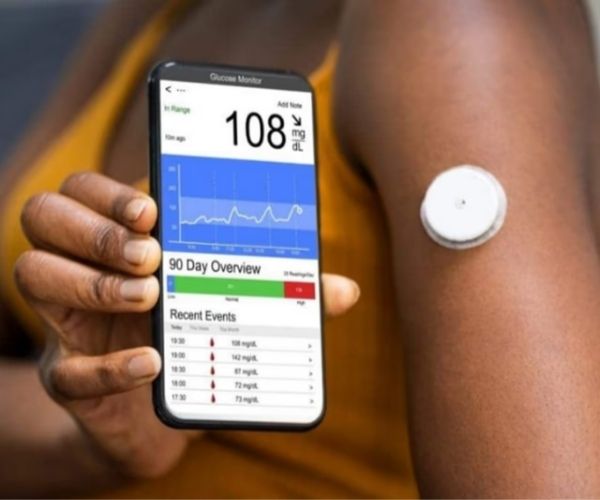
If you need to monitor your blood sugar, diabetes management apps can turn your device into an effective tool for managing your health.
With these tools, it is possible to monitor your blood glucose simply and conveniently.
For more details, check out the tips below for better diabetes control, also highlighting the best glucose monitoring apps.
Choose your carbohydrates wisely
Carbohydrates are responsible for producing energy in the body.
Advertisement
However, carbohydrates are converted into glucose, which can interfere with the diet of people with diabetes.
Therefore, consumption in these cases should be moderate, always giving preference to carbohydrates with a low glycemic index and high fiber content, such as lentils, nuts, and oats.
Grains are also an excellent option, as they help prevent blood sugar spikes and insulin resistance. Preferably, they should be consumed whole.
Weight loss
Obesity or being overweight are associated with several diseases, such as diabetes.
Losing at least 5% of your body weight will be enough to see health improvements in patients with type 2 diabetes.
This can help in several ways:
- Reduces the need for medication;
- Improves glucose levels;
- Lowers blood pressure;
- Reduces risk factors for heart disease.

Do not skip meals
For people living with diabetes, it is essential to maintain a strict routine regarding their meals.
Advertisement
Skipping one of the main meals or not eating at the recommended times can lead to overeating and make it harder to control your glycemic index.
To do this, the best approach is to avoid going too long without eating by including healthier snacks between meals, such as seeds and fruits. This helps you avoid overeating and better control hunger.
Practice regular physical activity
Physical exercise is one of the best ways to control diabetes.
Do not think that you need to spend hours at the gym every day.
Just do at least some moderate exercise for 30 minutes, 5 days a week.
Some of the best options are: walking, swimming, running, and cycling.
Look for an activity you enjoy and can stick with every day.
And remember, before starting any physical activity, consult your doctor first.
Track your food
Plan your meals in advance. To do this, you can use technology and rely on some healthy recipe apps for people with diabetes.
This way, you can create a weekly menu and maintain a balanced diet.
It is also important to record everything you eat, the portion sizes, and even how you feel before and after the meal.
This will help you identify certain anxiety triggers or foods that are not so good for you.
Regular monitoring
People with diabetes should regularly monitor their blood glucose levels.
This is usually done through blood glucose tests, which can be done at home with a glucose meter.
In addition, thanks to technological advances, it is possible to use apps to manage diabetes, such as mySugr, Glic, FreeStyle LibreLink, among others.
Keep in mind that frequent monitoring helps you understand how food, physical activity, and medications affect blood glucose levels.
Stay hydrated!
Good hydration is also essential for managing diabetes.
And it is not just about drinking plenty of water each day, but also skin hydration is important.
Patients with diabetes may experience diabetic neuropathy; this complication affects the nerves in the skin, leaving it very dry.
To avoid this problem, it is best to always keep your skin well hydrated, especially on the lower limbs.